What Is a Credit Memo? Meaning, Example and When to Use One
A credit memo reduces what a customer owes on an invoice. Learn when to issue one, what to include, and see a simple credit memo example you can copy.
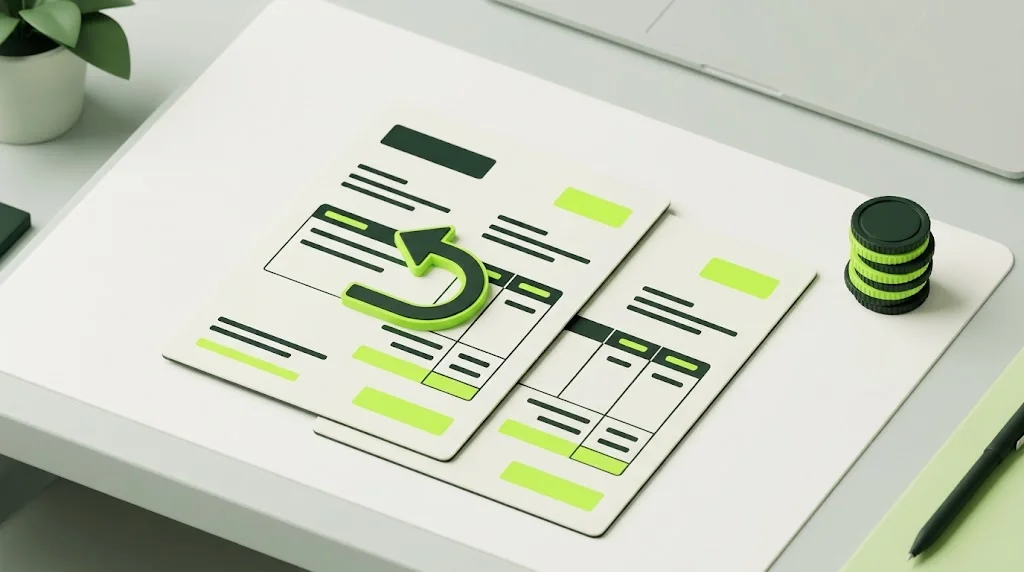
A credit memo is a document a seller sends to a buyer to reduce the amount the buyer owes on an invoice. It is used when goods are returned, an item was overcharged, a discount was agreed after billing, or part of an order was never delivered. In the UK the same document is usually called a credit note.
Think of a credit memo as the opposite of an invoice. An invoice says "you owe me this much". A credit memo says "you now owe me this much less". It keeps your records honest without deleting or editing an invoice you have already sent.
What does credit memo stand for?
Credit memo is short for credit memorandum. You will also see it called a credit memorandum, a credit note, or a sales credit. The name comes from accounting: the seller credits the customer's account, which lowers the balance they owe.
Banks also use the term. On a bank statement, a credit memo is an addition to your account that is not a normal deposit, such as interest earned or a collection the bank made for you. In this guide we focus on the business meaning: a credit memo you issue to a customer.
When should you issue a credit memo?
You issue a credit memo when the invoice was correct at the time but the amount owed has since changed, or when you made a mistake and the client has already received the invoice. Common reasons include:
- Returned goods: the customer sends back some or all of the items.
- Overcharging: you billed the wrong price, the wrong quantity or added tax that should not apply.
- Damaged or faulty items: you agree to a partial refund instead of a full return.
- Agreed discount after billing: for example, a loyalty or volume discount applied at the end of a quarter.
- Cancelled work: part of a project was dropped after you invoiced for it.
- Duplicate invoice: the same work was billed twice by accident.
If the invoice has not been sent yet, you usually do not need a credit memo. Just correct the draft. Once an invoice has been sent and recorded, most accountants prefer that you leave it alone and issue a credit memo instead, so there is a clear paper trail.
Credit memo vs debit memo vs refund
These terms are easy to mix up. Here is how they compare:
| Document | Who issues it | What it does |
|---|---|---|
| Invoice | Seller | Asks the buyer to pay for goods or services |
| Credit memo | Seller | Reduces what the buyer owes on an earlier invoice |
| Debit memo | Seller | Increases what the buyer owes, for example an extra charge that was left off |
| Refund | Seller | Sends money back to a buyer who has already paid |
A credit memo and a refund often go together, but they are not the same. If the customer has not paid yet, the credit memo simply lowers their balance and no money moves. If they have already paid, you can either refund the credit or hold it on their account to use against a future invoice. Agree which option the customer prefers and write it on the memo.
For a deeper look at the UK naming, read our guide to credit notes vs invoices.
What to include on a credit memo
A credit memo should look and feel like an invoice, so the customer and their accounts team can match it easily. Include:
- A clear title: "Credit Memo" or "Credit Note" at the top, so nobody mistakes it for a new bill.
- A unique credit memo number: many businesses use a separate series such as CM001, CM002.
- The date of issue.
- Your business details: name, address and contact details, plus your tax or VAT number if you are registered.
- The customer's details: the same name and address as the original invoice.
- The original invoice number and date: this is the most important link.
- The reason for the credit: a short line such as "2 items returned, damaged in transit".
- The items or amounts being credited: quantity, unit price and line totals.
- Tax: if the original invoice charged sales tax or VAT, show the tax being reversed on the credited amount.
- The total credit and the new balance: what the customer now owes, or the amount you will refund or hold on account.
The rules on what a credit note must show for tax purposes differ by country. In the UK, VAT registered businesses have specific requirements for credit notes, similar to VAT invoice requirements. In the US, sales tax rules vary by state. If tax is involved, check with your accountant or local tax authority.
Credit memo example
Here is a simple credit memo layout you can copy and adapt:
CREDIT MEMO
Credit memo number: CM014
Date: 18 March 2026
Original invoice: INV0231, dated 2 March 2026
From: Northgate Print Supplies, 12 Mill Lane, Leeds
To: Harbour Cafe Ltd, 4 Quay Street, Hull
Reason: 3 boxes of paper cups returned, wrong size supplied.
3 x Paper cups, 12oz, box of 500 at £24.00 = £72.00
VAT at 20%: £14.40
Total credit: £86.40
Original invoice total: £432.00
New balance due on INV0231: £345.60
Notice how the memo names the original invoice, explains the reason in one line, and shows the new balance. Your customer's bookkeeper can match it in seconds.
How to issue a credit memo, step by step
- Confirm the amount with the customer. Agree what is being credited and why before you send anything.
- Find the original invoice. Note its number, date and the line items involved.
- Create the credit memo with its own number, today's date and a reference to the original invoice.
- List the credited items and any tax being reversed.
- State what happens next: the balance is reduced, a refund is on the way, or the credit is held for future work.
- Send it the same way you sent the invoice, usually as a PDF by email.
- Update your records so the invoice shows the correct balance.
How a credit memo works in your accounts
You do not need to be an accountant to issue one, but it helps to know what happens behind the scenes. When you issue a credit memo, you reduce your sales income and reduce the amount the customer owes you (your accounts receivable). If tax was charged, the tax you owe is usually reduced too.
For the buyer it works the other way round. They reduce what they owe you (their accounts payable) and reduce the cost they recorded. That is why the reference to the original invoice matters so much: both sides need to match the same numbers.
If you use accounting software, look for a "credit note" or "credit memo" option rather than deleting the invoice. Deleting a sent invoice can leave gaps in your numbering and confuse your records.
Credit memo or a new invoice?
Sometimes it is simpler to cancel and reissue. As a rough guide:
- Use a credit memo when the invoice was sent and recorded, and only part of it changes.
- Use a credit memo for the full amount, then a new invoice when almost everything on the original was wrong, such as the wrong client or the wrong project.
- Just edit the draft when the invoice has not been sent yet.
When you reissue, give the new invoice a fresh number. Our guide on how to number invoices explains why you should never reuse a number.
You can create the corrected invoice in the free InvoiceGeneratorKit invoice generator, which numbers invoices automatically, shows a true A4 preview and lets you download a clean PDF without signing up.
Tips for handling credit memos well
- Keep credit memos in their own number series so they are easy to find.
- Always quote the original invoice number.
- Write the reason in plain words, not codes.
- Send the memo promptly, ideally the same day the change is agreed.
- Keep copies with your invoices for as long as your tax rules require.
- If a customer asks for a credit that you do not agree with, reply in writing and explain why before anything is issued.
Handled well, a credit memo is a small document that builds trust. It shows the customer you fix mistakes quickly and keep clean records, which makes the next invoice easier to pay.
Frequently asked questions
What is a credit memo in simple terms?
It is a document from a seller that lowers the amount a buyer owes on an earlier invoice. It is used for returns, overcharges, discounts or cancelled work.
Is a credit memo the same as a credit note?
Yes, they do the same job. Credit memo is the more common name in the US, while credit note is the usual name in the UK.
Is a credit memo the same as a refund?
No. A credit memo reduces the balance owed. If the customer already paid, you can then refund the credit or hold it against a future invoice.
Does a credit memo need its own number?
Yes. Give every credit memo a unique number, often in its own series such as CM001, and always reference the original invoice number.
Can I just delete the wrong invoice instead?
Once an invoice has been sent and recorded, it is better to issue a credit memo. Deleting sent invoices leaves gaps in your numbering and records.
Create your invoice now
Add your logo, line items and tax, see it on a real A4 page, then download a clean PDF. Free, with no sign up.